
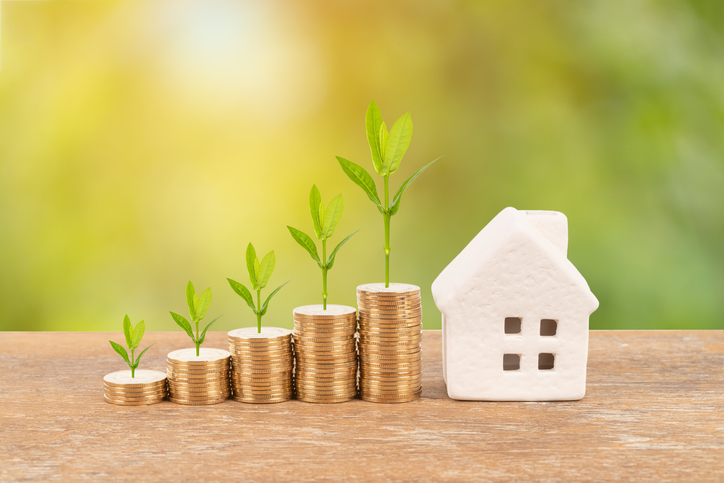
While 87% agree that green homes cost more than typical homes, 77% believe green homes will hold their value better than traditional homes, and 23% are planning green projects in 2026.
American Home Shield reports that over the last five years, homeowners have spent an average of $8,735 on green improvements, and 21% said they planned to do a green home improvement project before the IRA tax credits ended at the end of 2025. Still, despite the early cutoff, 23% are planning green projects for this year. The primary motivations for these improvements include:
- Cost savings on utilities (80%)
- Environmental impact/sustainability (68%)
- Personal health and well-being (42%)
- Desire for self-sufficiency from the grid (37%)
- Increased home value (29%)
Although the price tag is typically higher for green homes, 91% of green homeowners think it’s worth owning a green home. The survey found that 23% purchased the home already green, and 77% made green improvements after. Of them:
- 68% have at least one energy efficient appliance
- 46% only have energy efficient appliances
- 54% have solar panels
- 30% have green landscaping
- 26% have rain barrels
Of the 74% who said they don’t live in a green home, 64% said they wished they did. What are the top barriers to green homeownership? Most commonly, it’s the cost.
- Inability to afford a green home (57%)
- Preference toward the comforts of a traditional home (18%)
- Belief that a green home isn’t worth the money (15%)
- Lack of understanding of the benefits (12%)
Will green home benefits and concerns about climate change influence future homebuyers’ decisions? According to the survey, the answer for many is “yes.”
- 56% will buy with climate change in mind
- 44% plan on buying a green home
- 39% are unwilling to pay more for a green home
- 61% are willing to pay an average of $73,827 more for a green home
Topics
Member Discussion
Daily Emails
You’ll be the first to know about real estate trends and various legal happenings. Stay up-to-date by subscribing to JustListed.
