
It’s no secret that cold weather can wreak havoc, but just how much damage can it do? Here are four main things homeowners should be on the lookout for when the weather turns chilly, from Hippo Home Insurance.
1. Foundation Damage
“When temperatures drop below freezing, any water that’s made its way into small cracks or gaps around the home can freeze and expand,” says Hippo. “If this freeze-thaw cycle repeats every season, repeated stress could lead to larger issues if left untreated.”
This can particularly weaken concrete, widening existing cracks and creating new ones in driveways, sidewalks and home foundations.
To help prevent this, Hippo advises homeowners to:
- Look for cracks in concrete surfaces before winter starts, especially around the home’s foundation or driveway.
- Watch for pooling water near the base of the home after it rains or snows – a sign of poor drainage.
- Keep an eye out for new gaps between walls and floors or doors that suddenly stick, which could signal a shifting foundation.
2. Drainage Issues
“When temperatures drop below freezing, water inside pipes expands, creating pressure that can cause cracks or bursts,” Hippo says. “This damage often happens in unheated areas like basements, crawl spaces and exterior walls where pipes have less insulation.”
The average cost to repair a burst pipe is around $500, according to Consumer Affairs. Substantial water damage from a single burst pipe may cost more than $5,000.
Some proactive tips include:
- Disconnect and drain outdoor plumbing fixtures before winter.
- Wrap pipes in colder areas of the home, like basements or attics, with foam insulation.
- Know where the main water shut-off valve is located in case pipes burst.
- Allow faucets to drip slightly during extremely cold temperatures.
3. Roof Damage
“Strong winds can loosen the metal strips around chimneys, vents and other roof openings. When these protective seals get damaged, water can leak into the home,” notes Hippo.
“Wind and moisture can create a destructive cycle that could escalate to major roofing replacement projects. Minor damage to roofing materials typically costs $150 to $1,000 to repair, but extensive damage requiring partial or complete roof replacement can reach $16,000 or more.”
While Hippo adds that the age and condition of a homeowner’s existing roof can have a big impact on risk, they share these additional proactive tips:
- Schedule a roof inspection to identify risks and potential repairs.
- Check the metal flashing around chimneys, vents and skylights to make sure it hasn’t pulled away from the roof.
- Look for loose, cracked or missing shingles.
4. Increased Fire Risk
“Nearly half (46%) of all U.S. home heating equipment fires occur between December and February, according to the National Fire Protection Association,” says Hippo. “Cold weather forces heating systems to work harder and longer than during any other season, increasing the likelihood of equipment malfunction or overheating.”
Around the holiday season especially, it’s important not to overload electrical systems with seasonal appliances and holiday lights and décor.
Some tips for reducing fire risk include:
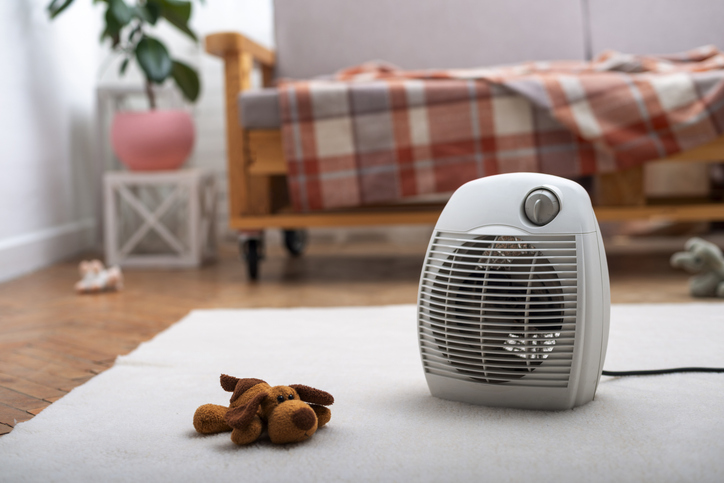
- Keep space heaters on a stable, flat surface and away from anything flammable.
- Avoid plugging several high-wattage appliances into a single outlet or extension cord. Use a separate outlet for each appliance.
- Regularly test smoke and carbon monoxide detectors and replace their batteries.
Topics
Member Discussion
Daily Emails
You’ll be the first to know about real estate trends and various legal happenings. Stay up-to-date by subscribing to JustListed.
