
The Pennsylvania Landlord and Tenant Act allows landlords to maintain a limited amount of escrowed funds for the purpose of covering a tenant’s potential non-payment of rent or “damages” to the property. One of the most common disputes between landlords and tenants at the end of a lease is whether a particular property condition rises to the level of “damages” that can be assessed against the tenant’s deposit.
In Pennsylvania, it’s clear that landlords cannot charge tenants for “normal wear and tear” to a rental property — but that term is not actually in the law or regulations, so where did it come from and what does it mean?
No Standardized Definition
Reported cases debating the meaning of this phrase in Pennsylvania stretch back to the 1800s, but the modern understanding of “normal wear and tear” arose from a series of cases in the 1970s. One clear(ish) explanation of the concept says, “While the landlord has an obligation to repair damages caused by normal wear and tear, the tenant will be held liable for any damage caused by malicious, abnormal or unusual use.”
Sure, but what does that mean? With no statutory definition in the realm of real estate, and typically no contractual definition, the courts have relied on general reasonableness and an “I know it when I see it” approach. It’s clear that appellate courts overwhelmingly defer to trial court judges who are in the position to see and hear evidence of the alleged damage to the property and make a determination based on that evidence. Trial court judges typically weigh the following types of factors:
- The specific requirements of the parties’ agreement
- The permitted, lawful uses of the property
- Whether the damage appeared to be due to abuse or willful neglect of the property, or malicious or reckless destruction
- In landlord/tenant cases, the length of tenancy
- In residential landlord/tenant cases, the warranty of habitability
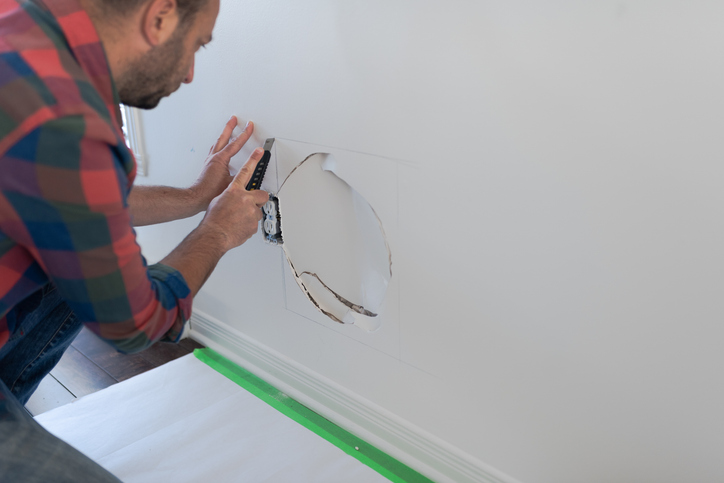
To take a couple of easy examples, a landlord should generally not deduct from a tenant deposit to pay for things that the landlord regularly does on a certain schedule regardless of the condition of the property. If the landlord repaints the walls or shampoos the carpets after every lease or every so many years, then it’s clearly not based on anything that specific tenant did to the property, and it’s generally going to be a landlord expense based on normal wear and tear. But if the landlord needs to paint because the tenant banged some holes in the drywall during move-out or their kids drew all over the bedroom, or the carpets need to be replaced because of tenant stains and tears, then it probably becomes damages chargeable to the tenant.
Or to make that even simpler: If it’s something that “normally” happens with the property, then a judge would probably find it to be “normal wear and tear.”
How to Help
Since these lines are not always clear, what can you do to minimize your client’s chances of ending up in court?
For starters, consult with landlords about their expectations and discuss that there may be ways to meet them without relying on deposit deductions. For example, if the landlord wants to reduce their cleaning costs at the end of a lease, consider adding lease terms that require tenants to do a certain level of cleaning as they’re leaving, or charge a cleaning fee as part of the agreed-upon lease terms.
Then, of course, make sure everything is fully documented, for every lease, all the time. The rental world is littered with dismissed claims for damages where landlords don’t have pictures of claimed damages or valid quotes/receipts for the work they are claiming needs to be done. And landlords will often run into issues where tenants claim they’re being charged for items that were done by prior occupants, which are hard to defend if there are not solid move-out/move-in reports for each tenancy.
Reminder: Hotline Limitations
Before you call to ask, “Who should pay for this?”, please remember that the PAR Legal Hotline attorneys cannot tell you whether a specific condition is normal wear and tear and who should be responsible for it. In fact, you’re likely to hear a response that sounds an awful lot like this article. Disputes like these will end up needing a legal determination made after reviewing all of the relevant circumstances and evidence. We’re happy to discuss the factors listed above with you, but if the parties cannot agree on what is “normal wear and tear,” then they should be referred to a local attorney of their choosing.
Topics
Member Discussion
Daily Emails
You’ll be the first to know about real estate trends and various legal happenings. Stay up-to-date by subscribing to JustListed.
