
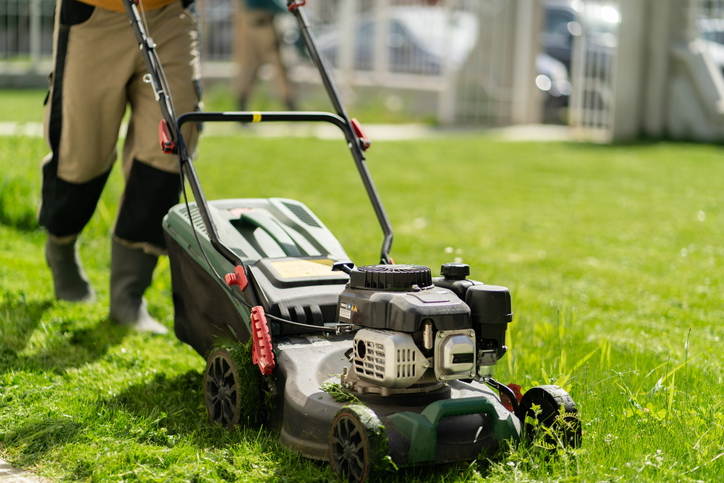
After a snowy winter, many Pennsylvanians are likely looking forward to spring right about now. From LawnLove, here are seven lawn care tips for when the weather finally warms.
1. Inspect the Irrigation System
Lawns need proper irrigation to grow green. LawnLove recommends testing sprinkler systems and recommends homeowners:
- Run all zones to check for even coverage
- Look for leaks in heads, pipes or hoses
- Adjust heads to avoid watering sidewalks and driveways
- Replace damaged sprinkler heads and nozzles
2. Tune Up the Lawn Mower
It’s important to maintain lawn mowers to keep them functioning efficiently. Follow these steps to ensure your mower is ready to run smoothly this year:
- Sharpen mower blades to achieve a neater cut
- Change oil and air filters for optimal performance
- Check spark plugs and replace worn ones
- Inspect tire pressure for even cutting
- Use quality fuel to prevent engine problems and carbon buildup
3. Remove Thatch
“Thatch is the layer of dead organic material that accumulates between the soil surface and grass blades,” LawnLove says. “Too much thatch blocks nutrients, water and air from reaching the soil, resulting in stunted root growth and poor turf health.”
Removing thatch is best left to the professionals and best completed when grass is actively growing. With the right guidance, homeowners can dethatch themselves, though.
4. Test and Aerate Soil
LawnLove recommends testing soil in early spring, which offers guidance on specific lawn care needs. Testing reveals the lawn’s pH level, organic matter, soil structure and nutrient deficiencies, letting homeowners know what their lawn needs to thrive.
Aerating is best completed after thatch is removed and helps maximize the amount of air, water and nutrients that can reach grass roots. Professional lawn care experts are skilled in lawn aeration, but with proper guidance, DIY aeration can be effective as well.
5. Overseed Bare Areas
Grass is especially susceptible to having thin or bare areas after a cold winter. LawnLove encourages homeowners to overseed these spots to promote lush, green growth.
Overseeding can also help crowd out pesky weeds and is best done after aeration.
6. Mow at the Right Height
“Mowing your grass too short or cutting too much at once can jeopardize your lawn’s health and beauty,” LawnLove warns. “How short you cut your grass depends on the type of turf you have. Some grasses thrive best at short heights, like bermudagrass, while other grasses don’t tolerate short cuts, such as bahiagrass.”
Mowing tips include:
- Only cut one-third of the grass height at a time
- Mow slightly taller to shade out weed seeds
- Mow with sharp blades
- Avoid mowing wet grass
- Change mowing patterns to prevent ruts
- Start with biweekly mowing early in spring, then switch to weekly as growth accelerates
7. Monitor for Pests and Disease
As lawns awaken in the spring, so do lawn pests, like grubs, chinch bugs, sod webworms and aphids. Fungal diseases like dollar spot, brown patch and red thread also pose threats as the weather warms.
“The secret to protecting your green yard from infestations is to maintain its overall health year- round,” LawnLove says. “The stronger and healthier your yard, the more resistant it becomes to damage.”
Topics
Member Discussion
Daily Emails
You’ll be the first to know about real estate trends and various legal happenings. Stay up-to-date by subscribing to JustListed.
