
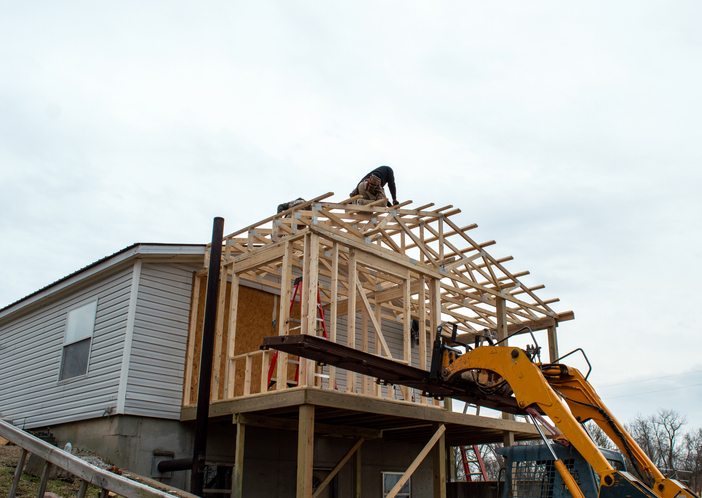
“For many homeowners, the need for more space arrives long before the desire to move,” says Jon Grishpul, co-CEO of GreatBuildz. “Home additions have become one of the most practical ways to gain space, improve comfort and increase property value without starting over in a new location.”
Here are six types of home additions and accompanying considerations to make.
But first: Wet vs. Dry Additions
“One of the most important distinctions in home additions is whether a project is considered a dry addition or a wet addition,” Grishpul notes. “Dry additions include spaces such as bedrooms, living rooms, offices or sunrooms that do not require plumbing. These additions are generally less expensive, because they avoid water lines, drains and complex waterproofing requirements.”
“Wet additions include kitchens, bathrooms and laundry rooms, which add cost due to plumbing work, additional permits and stricter building code requirements. Knowing which category your project falls into is one of the most reliable ways to estimate overall expense early in the planning process.”
1. Room Additions
Often called “bump outs,” room additions are the most approachable projects for homeowners wanting to add space without fully renovating. They typically extend an existing room by several feet, adding more usable square footage.
“Naturally, bump outs often cost between $250 and $500 per square foot, depending on size and finish,” Grishpul estimates. “While smaller in scope, they can dramatically improve daily living by relieving cramped layouts and improving functionality.”
2. Second-Story Additions
Second-story additions are very transformative but also among the most expensive addition options. Building upwards instead of outwards allows homeowners to expand their living space (up to double the amount) without sacrificing yard area.
“These projects often range from $300 to $500 per square foot and require extensive structural reinforcement. Foundations, load-bearing walls and framing may need upgrades to support the added weight. Plumbing, electrical systems and roofing are also typically impacted. While the upfront cost is significant, second-story additions can deliver substantial long-term value, particularly for homeowners committed to staying in place for many years.”
3. Sunroom Additions
Sunrooms offer extra living space, as well as more natural light, comfort and connection to the outdoors. They can serve as flex spaces, serving as family rooms, dining areas or quiet retreats.
“Costs typically fall between $200 and $400 per square foot, with total project budgets ranging from $40,000 to $90,000 or more,” says Grishpul. “Three-season sunrooms tend to be less expensive, while fully insulated, climate-controlled spaces cost more but offer year-round usability. Energy efficiency requirements and insulation quality play a major role in pricing.”
4. Over Garage Additions
Additions built over the garage add vertical expansion, often creating new living space above existing garages. Grishpul estimates that these cost between $250 and $400 per square foot, and they require additional structural reinforcement and design integration with the main house. These additions can add bedrooms, guest suites or home offices without reducing yard space, making them enticing to homeowners in suburban and urban areas.
5. Kitchen Additions and Expansions
Kitchen additions and expansions are among the most complex projects, as building a new kitchen or expanding an existing one ranges from $50,000 to $150,000 or more. These projects involve plumbing, gas lines, electrical systems, ventilation and, often, structural changes.
While high-quality finishes, appliances and cabinetry can significantly increase project costs, Grishpul adds that kitchens consistently rank among the highest value improvements for resale.
6. Bathroom Additions and Expansions
“Bathroom additions and expansions also carry meaningful costs but deliver strong returns. Adding a new bathroom often ranges from $30,000 to $75,000, depending on size and plumbing complexity. Expanding an existing bathroom typically costs less but still requires careful planning around waterproofing, ventilation and fixture selection. Bathrooms add both daily convenience and resale appeal, particularly in homes with limited existing bath space.”
Overall Takeaways
“Choosing the right type of home addition requires balancing personal lifestyle needs with financial considerations,” Grishpul says. “Homeowners should assess how they use their space today, how that use may change in the future and which additions offer the greatest functional improvement. Equally important is considering how future buyers might perceive the added space. Additions that align with common buyer preferences tend to deliver stronger returns.”
“Ultimately, home additions are not just about adding square footage. They are about adapting a home to better serve the people who live there. When thoughtfully planned, an addition can improve daily life, increase long-term property value and allow homeowners to remain in communities they love. With clear expectations, realistic budgets and informed decision making, home additions can be one of the most rewarding investments a homeowner makes.”
Topics
Member Discussion
Daily Emails
You’ll be the first to know about real estate trends and various legal happenings. Stay up-to-date by subscribing to JustListed.
