
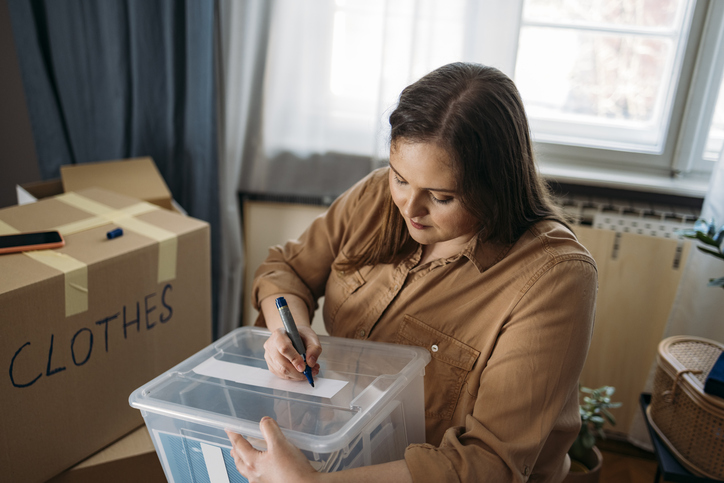
Moving can be stressful, but Realtors® know a thing or two about the process. PAR asked Pennsylvania Realtors® for their best moving tips, and here’s what they shared.
1. Use Your Resources
“Use kitchen and bath towels to wrap dishes and other fragile items,” says Mary Kay Barton, a member of the Allegheny Highland Association of Realtors®. This helps save space, save money and save belongings from breaking.
2. Give Yourself Time to Pack
“Start packing the least important things that you won’t miss for several weeks, and label the boxes accordingly,” says Kathleen Lomonaco, a member of Tri-County Suburban Realtors®.
She suggests using a numbering system to rank and label boxes by importance.
“For example, 1 might mean ‘open immediately,’ and 5 might mean ‘not important.’ You can label each box by room, too, so the box can be delivered to the correct room. Consider leaving all of the boxes with higher numbers in areas like the garage or foyer, since they’re not as important and can be opened as time permits in the future. Always label with extra words as necessary, like ‘glass inside’ or ‘can melt,’ and give those boxes a 1.”
3. Keep the Paperwork Out
“You learn by experience … and sometimes by making your own mistakes,” Todd Van Horn, a member of the Realtors® Association of Metropolitan Pittsburgh, says, recalling when he and his wife moved out of their first home.
“We thought it would be a breeze, which it was, until the closing company found a cloud in our title three days before closing,” he shares. “At this point, we had packed over 80 boxes and labeled them with the appropriate room they were to go in the new home. The closing company said they could remove the cloud on the title if we could produce our owner’s title insurance certificate from when we purchased our house. We knew it was with our closing paperwork from five years ago … but which of the 80+ boxes had that paperwork?”
Van Horn says he must have cut open at least half of the boxes before finding the paperwork he needed. Then had to reclose and retape all of them.
“Note to self, and my best moving tip to all of our sellers since: Label what’s in your boxes on the outside, and never box up your paperwork from when you purchased your current home. Keep it handy, because you never know what documents might be needed this time around. This also makes light of how important having the owner’s title insurance can be.”
4. Take Pictures
“If you don’t use your clothing, linens and towels as packing material for fragile items, take a photo of the contents of each box before you seal it,” Scott Geller, a member of the Bucks County Association of Realtors®, says. “Then, number the boxes and match the box to each photo.”
5. Pack a “Survival” Box
“Pack a survival box and keep it with you – not the moving truck,” Geller adds. “Include chargers, medications, a change of clothes, basic toiletries, snacks, important documents, a small toolkit and cleaning supplies. Label it clearly and make sure it’s the last thing loaded and the first thing unloaded.”
6. Ask the Right Questions to Moving Companies
“When moving long distances, be sure to ask the right questions when getting a quote from long-distance moving companies,” Van Horn says. He believes the most important questions are:
- What is included in the quote? Ask for a specific breakdown of all costs to avoid hidden fees.
- What type of quote are you giving? Is it a binding, nonbinding or “cost-not-to-exceed” quote?
- What is the delivery window? And, more importantly, will I have my own dedicated truck to make the move? (He shares, “I once had one of my clients wait for four weeks before their furniture arrived, because the moving company was waiting to fill the truck heading in the same direction.)
- What is the process for filing claims in regards to lost or damaged items?
7. Don’t Forget Your Pets
“For pets, have a designated pet area in the home you are moving into – for example, a laundry room with a closed door,” Lomonaco recommends. “This way, they don’t get loose during the move, as doors are opening and shutting frequently.”
“Plus, this helps get them acclimated to one room instead of the whole house at once. Placing the kitty litter and food/water bowls in this room with their favorite bed and blanket will help them adjust slowly to the new home.”
Topics
Member Discussion
Daily Emails
You’ll be the first to know about real estate trends and various legal happenings. Stay up-to-date by subscribing to JustListed.
