
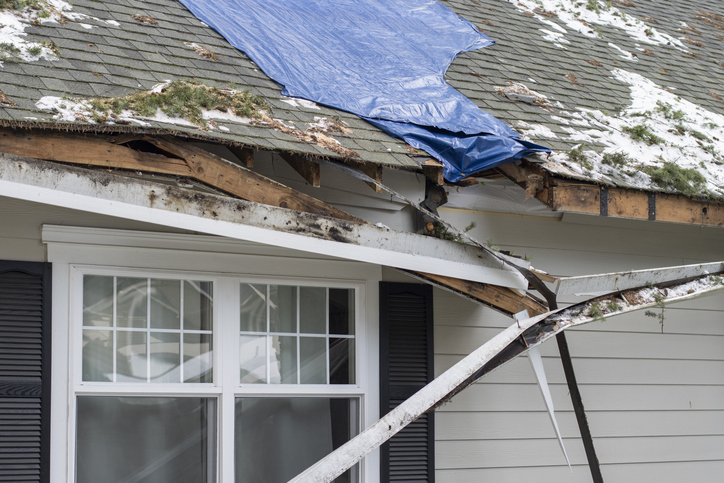
Although 84% of homeowners experienced weather-related challenges in 2024, only a third made home improvements to reduce risks, according to a 2025 survey by Hippo Home Insurance.
In the Northeast specifically, 33% of homeowners took steps to mitigate potential weather damage to their homes, and only 15% purchased additional home insurance coverage. Flooding is an especially common extreme weather event in this region, as seen in 2024 during Hurricane Helen. Still, flood insurance enrollment was down 2.5% in Pennsylvania the same year.
Extreme weather events can be devastating to both homes and homeowners’ wallets, which is why taking precautions can result in significant savings. Hippo found that nearly half (46%) of homeowners spent more than $5,000 on unexpected home repairs in 2024 (up from 36% in 2023), and 53% went over budget for seasonal home maintenance tasks.
One of the most common unexpected home repairs was roof damage, affecting 37% of homeowners. Around 20% dealt with water damage caused by flooding.
Ways to prepare homes for extreme weather include:
- Checking and cleaning gutters and downspouts to ensure proper drainage
- Inspecting roofs, chimneys and attics for damage
- Keeping insurance and records up-to-date and confirming coverage limits and specific add-ons
- Creating an up-to-date home inventory with photos and receipts
Notably, only 30% of homeowners surveyed by Hippo said they have reviewed their insurance policy to understand what is and isn’t covered for severe weather or storm damage.
“Don’t wait until after a storm to learn what your policy includes,” Hippo stresses. However, in the event of an extreme weather event, here are some steps homeowners can take:
- Carefully examine your home and property for hazards. Don’t enter if you’re not sure it’s safe.
- Take note of any damage to your property, buildings and belongings. Write down detailed descriptions, take photos/videos and note the date and time.
- Contact a professional to conduct a more thorough investigation for structural damage, water damage and other problems, if necessary.
- Contact your utility provider(s) if any utilities are damaged or not working properly.
- Contact your insurance company and begin the claim process, if necessary. Keep careful records and receipts when you get quotes from contractors.
Topics
Member Discussion
Daily Emails
You’ll be the first to know about real estate trends and various legal happenings. Stay up-to-date by subscribing to JustListed.
